
KIARA REJU SKIN BOOSTER
Estimate delivery times: 2-4 Business days.
Return within 30 days of purchase. Shipping , Duties & taxes are non-refundable.
Guarantee Safe Checkout
KIARA REJU SKIN BOOSTER
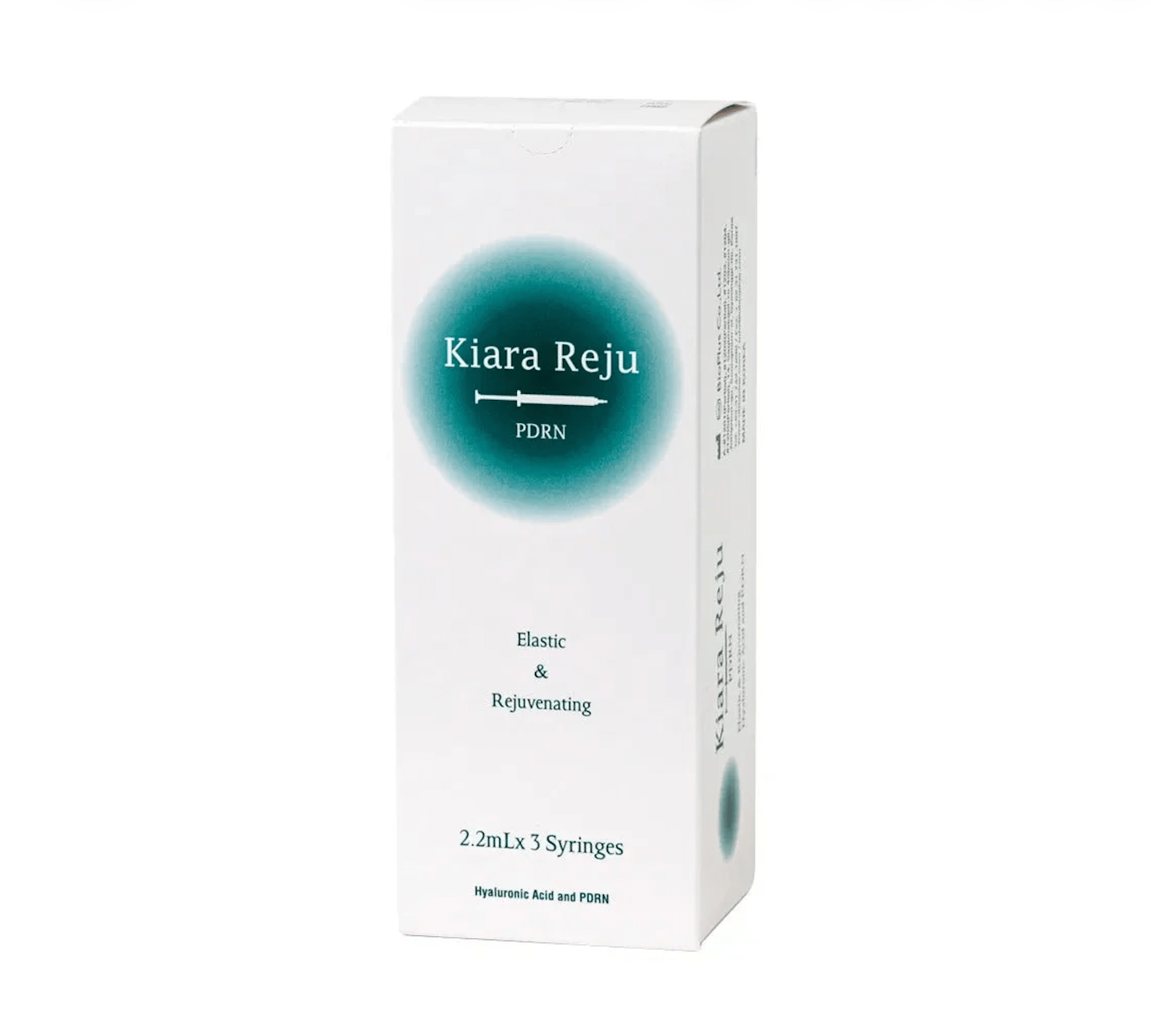
Kiara Reju is a PDRN skin booster made in South Korea by BioPlus Co., Ltd., a Seoul-based manufacturer with its own laboratory in Daejeon. Each 2.2 mL prefilled syringe carries three actives in one clear gel: polydeoxyribonucleotide, hyaluronic acid, and niacinamide. It is not a dermal filler and it is not designed to add volume. The point of Kiara Reju is skin quality — hydration that sits inside the dermis rather than on top of it, better elasticity, and a more even tone across the treated area.
The product is intended for use by trained medical practitioners.
What is Kiara Reju?
Kiara Reju is an injectable bio-revitalisation solution, the category Korean clinics usually call a "skin booster." Where a filler is placed in a specific pocket to rebuild a contour, a booster is distributed in small deposits across a whole zone — cheeks, forehead, neck, the back of the hands — to change how the skin itself behaves. Practitioners reach for it when a patient's face doesn't need more structure but does look tired, dry, or textured.
The formula is built around PDRN, a DNA fragment complex extracted from salmonid fish. BioPlus pairs it with non-crosslinked hyaluronic acid for immediate hydration and niacinamide, which Korea's Ministry of Food and Drug Safety recognises as a functional brightening and moisturising ingredient. That third ingredient is what separates Kiara Reju from most PDRN-only boosters on the market.
What is inside a 2.2 mL syringe
| Component | Concentration | Total per syringe |
|---|---|---|
| Hyaluronic acid | 20 mg/mL | 44 mg |
| PDRN (polydeoxyribonucleotide) | 5 mg/mL | 11 mg |
| Niacinamide | 1 mg/mL | 2.2 mg |
PDRN — the regenerative component
PDRN stands for poly-deoxy-ribo-nucleotide. It is a chain of DNA fragments purified from the sperm cells of salmonid fish, chosen because that DNA is remarkably close in sequence to human DNA and carries a very low immunogenic risk once purified. Inside the skin, PDRN is understood to act on the adenosine A2A receptor, which is the switch that nudges fibroblasts toward proliferation and improves microcirculation in the treated tissue. In plain terms: it encourages the skin to do its own repair work rather than borrowing a result from filler volume.
Hyaluronic acid — the hydration component
The hyaluronic acid here is uncrosslinked, so it does not behave like a filler gel. It binds water in the dermis and gives the visible plumpness patients notice within the first days. Skin loses hyaluronic acid steadily with age, and topical products largely cannot replace it — the molecule is too large to cross the stratum corneum in any meaningful quantity. Depositing it directly into the dermis is the workaround.
Niacinamide — the tone component
Niacinamide is vitamin B3. It supports the skin's lipid barrier and moisture regulation, and it is one of the few ingredients with a solid record for evening out pigmentation. It is also stable against light and heat, which is why it can sit in a prefilled syringe without degrading over a 24-month shelf life.
What Kiara Reju is used for
Practitioners typically use Kiara Reju for:
- Dull, dehydrated skin that looks flat under photography
- Fine lines and crepey texture, particularly periorbital and on the neck
- Loss of elasticity in early-to-moderate ageing
- Uneven tone and post-inflammatory pigmentation
- Atrophic acne scarring, as part of a longer combination plan
- Skin preparation before or recovery after laser and energy-based treatments
Common treatment zones are the full face, neck, décolletage, and the backs of the hands. It suits patients in their late twenties onward who want their own skin to look better rather than different — and it is a reasonable choice for men, who often resist anything that reads as filler.
How it is administered
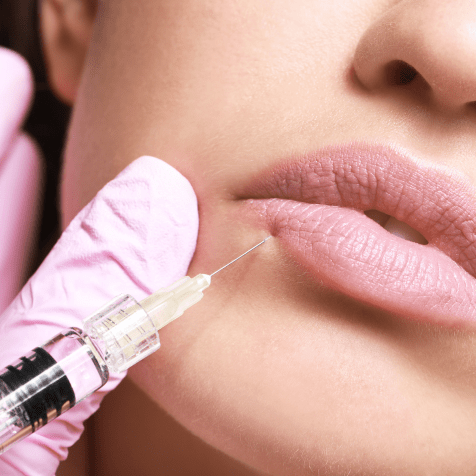
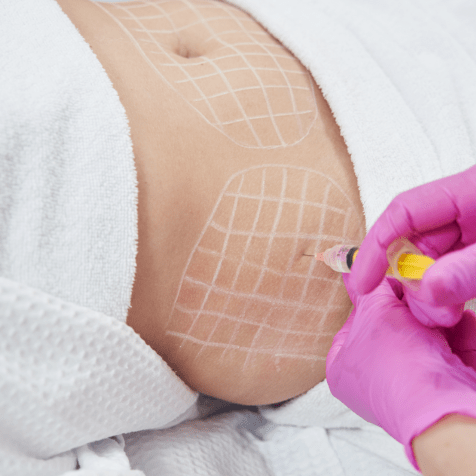
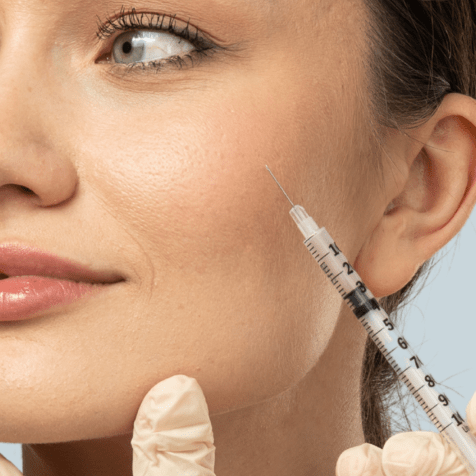
Kiara Reju is placed intradermally, either as micro-deposits spaced roughly 1 cm apart or as short linear threads. A common starting volume is about 0.2 mL per point, increased to around 0.4 mL where a deeper line is being addressed. A 30G or 31G needle is standard; many injectors prefer a mesotherapy gun for even distribution across a large area, and BioPlus supplies a delivery injector matched to the product for exactly this reason.
Most protocols run three to five sessions spaced three to four weeks apart, followed by maintenance every six to nine months. Patients with significant photodamage usually need the full five. Injection depth, spacing, and total volume remain the treating clinician's judgement.
Results and recovery
Hydration is visible almost immediately because the hyaluronic acid works on contact. The regenerative effect is slower — the PDRN component builds over the treatment course, with most patients and practitioners reporting the clearest change in texture and elasticity somewhere after the second or third session. Reported longevity after a completed course sits in the range of six to twelve months, though this varies considerably with age, sun exposure, and whether maintenance sessions happen on schedule.
Downtime is short. Expect small injection bumps that settle within a few hours to a day, some redness, and occasional pinpoint bruising. Topical anaesthetic is usually applied beforehand; the product itself contains no lidocaine. Standard advice afterwards is to skip makeup for around 12 hours, avoid saunas, heavy exercise and alcohol for 24 to 48 hours, and use sun protection consistently through the course.
Kiara Reju compared with other PDRN boosters
The obvious comparison is Rejuran, the product that made salmon DNA famous. The honest answer is that they are close relatives, not identical twins. Rejuran uses polynucleotides (PN), which are longer DNA chains that form more of a gel scaffold and are known for a firmer, more structural feel. Kiara Reju uses PDRN — shorter fragments, thinner consistency, and generally a more comfortable injection.
The practical difference for a clinic is the third ingredient. Most PDRN boosters give you regeneration and hydration. Kiara Reju adds niacinamide, which makes it the more sensible pick when pigmentation and tone are part of what the patient is unhappy about. It also sits at a meaningfully lower price per syringe than the premium branded alternatives, which matters when a protocol requires five sessions rather than one.
Product specifications
| Manufacturer | BioPlus Co., Ltd. — Seoul, South Korea |
| Category | PDRN skin booster / bio-revitalisant |
| Volume | 2.2 mL prefilled syringe |
| Actives | Hyaluronic acid, PDRN, niacinamide |
| PDRN source | Purified salmonid fish DNA |
| Lidocaine | None |
| Recommended needle | 30G / 31G, or mesotherapy injector |
| Storage | 2°C to 25°C, away from direct sunlight. Do not freeze. |
| Shelf life | 24 months from manufacture |
| Use | Single use. Trained practitioners only. |
Ordering from My Skin Korea
We ship Kiara Reju direct from Korea with worldwide delivery, and every unit comes from authorised supply — no parallel-import stock and no relabelled goods. Wholesale pricing is available for clinics and distributors ordering in volume; contact us for a quote rather than working from the single-unit price. If you are building a full skin-quality menu, Kiara Reju pairs well with the polynucleotide and exosome products elsewhere in our skin booster range.
Frequently asked questions
Is Kiara Reju a dermal filler?
No. It contains uncrosslinked hyaluronic acid, which hydrates but does not hold structure. It will not create volume or reshape a contour. Its purpose is skin quality — hydration, elasticity, tone.
How many sessions of Kiara Reju are needed?
Three to five sessions, three to four weeks apart, is the standard course. Maintenance is generally every six to nine months once the initial course is complete.
How long do the results last?
Most patients see benefit for six to twelve months after a completed course. Longevity depends on age, sun exposure, skin condition at baseline, and whether maintenance is kept up.
Does it hurt?
There is no lidocaine in the formula, so topical anaesthetic is applied first in most clinics. With numbing, discomfort is generally described as mild — the thin PDRN consistency injects more easily than heavier PN gels.
What is the downtime?
Minimal. Injection bumps typically resolve within a few hours to a day, with mild redness and the possibility of small bruises. Most patients return to normal activity the same day.
Can it be used with other treatments?
Yes, and it commonly is. Practitioners combine it with botulinum toxin, fillers, microneedling and laser resurfacing. Sequencing and intervals are down to the treating clinician.
Who should avoid Kiara Reju?
It is not suitable for anyone with a known fish or seafood allergy, given the salmon-derived PDRN. It is also avoided during pregnancy and breastfeeding, over active skin infection or inflammation at the injection site, and in patients with autoimmune conditions or a history of keloid scarring without specialist assessment.
What is the difference between PDRN and PN?
Both come from salmon DNA. PDRN consists of shorter fragments and works mainly through receptor signalling; PN consists of longer chains that also form a physical gel scaffold in the skin. PDRN products tend to be thinner and more comfortable to inject; PN products tend to feel firmer and more structural.
Is Kiara Reju genuine and where is it made?
Kiara Reju is manufactured in South Korea by BioPlus Co., Ltd., headquartered in Gangnam-gu, Seoul with a laboratory facility in Daejeon. Every syringe sold by My Skin Korea is sourced through authorised channels.